Brass in the Blood: How a Hampshire Scratch Band Is Writing the Next Verse for Britain's Regimental Music
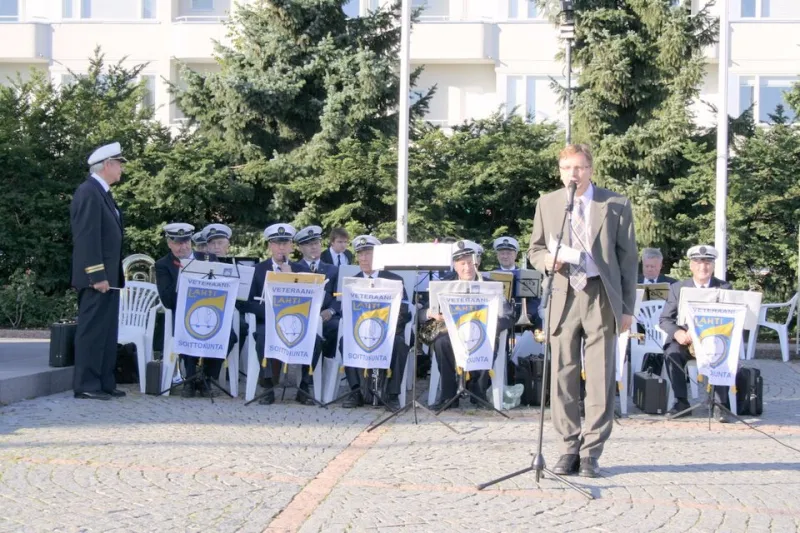
Photo: No machine-readable author provided. Ojp assumed (based on copyright claims)., Public domain, via Wikimedia Commons
A Room Full of Rusty Embouchures
On a drizzly Tuesday evening in March, the church hall in Alresford, Hampshire, smells of polish, instant coffee and faint apprehension. Twelve former servicemen and women are unpacking instruments that have not left their cases, in some instances, since the day they left uniformed service. Cornets with dented bells. A clarinet held together with tape. A bass drum belonging to a regiment that no longer exists.
They call themselves the Hampshire Scratch Band — 'scratch' because, like the scratch choirs of cathedral cities, anyone who can hold a note or a mouthpiece is welcome. There is no audition. There is, however, a waiting list, which tells its own story.
Why the Music Nearly Stopped
Britain once had more than a hundred regular Army bands. Successive defence reviews have reduced the full-time establishment to a fraction of that number, and with them went a familiar soundtrack of civic life: the parade-ground march at the county show, the hymn accompaniment at the cenotaph, the send-off for deploying units.
For the musicians themselves, the loss was more personal. Music in the forces was never merely ceremonial. It was discipline, camaraderie and identity stitched into one. When the band disbanded, so — for many — did a piece of themselves.
'It's not nostalgia,' insists Margaret Oyelaran, a former Royal Marines musician who now conducts the Hampshire group. 'It's structure. When you've spent twenty years arriving somewhere at seven o'clock sharp to play with people who rely on you, that doesn't leave you. You just need somewhere to put it.'
From First Rehearsal to Remembrance Sunday
The band's first rehearsal produced what Margaret diplomatically calls 'a sound with character'. Three players had not performed since the 1990s. The tubist had recently undergone surgery on his lungs. Nobody left early.
Over the following months, the ensemble grew to twenty-six members, including a handful of civilian partners and two cadets from a local detachment who joined to learn the drums. Rehearsals settled into a rhythm: hymn arrangements for civic services, a medley of regimental quicksteps, and one new piece commissioned from a member's granddaughter, a music student at Southampton.
By Remembrance Sunday, they were ready. As the band led the parade down the high street to the war memorial — playing 'Nimrod', then the Last Post and Reveille — shopkeepers stood outside their doorways and the congregation at the memorial service included several residents of a nearby care home, bussed in by the band itself.
The collection that day raised more than £1,800 for veterans' welfare charities. But ask any member what mattered most and the answer is rarely the money.
'Bill hadn't spoken to anyone outside his house in eight months,' says trumpeter Dave Fenwick, a former RAF bandsman. 'His sister rang us after the service. He'd been talking about the concert all week. You can't put a donation page around that.'
More Than a Concert: Music as Outreach
The Hampshire band now performs monthly at care homes across the county, where an estimated one in four residents is a veteran or the spouse of one. These visits are deliberately informal — no stage, no programme, just music and the conversations that follow. Members report that a familiar march can unlock memories and speech in residents whom staff describe as otherwise withdrawn.
The model is spreading. Similar scratch ensembles have formed in Wiltshire, Fife and the North East, several supported by small grants from regimental associations and instrument donations from the public.
Five of Britain's Most Unexpected Veteran-Led Ensembles
-
The Dockyard Tuba Collective, Devonport — Twenty former naval ratings who reclaimed decommissioned brass from scrap and rebuilt it into a working ensemble.
-
The Highland Voices for Veterans, Inverness — A 40-strong choir drawn from across the Highlands, rehearsing fortnightly and touring village halls by minibus.
-
Bugles Over the Mersey, Liverpool — A bugle and drum corps of ex-servicemen who perform at football club remembrance events across the North West.
-
The Garrison Strings, Colchester — A string quartet of former Army musicians specialising in hospital and hospice performances.
-
The Salute Singers, Cardiff — A mixed voice choir founded by three veterans' widows, now open to the whole forces community.
How You Can Help
- Attend a concert. Most veteran ensembles publicise performances through parish notices, libraries and local Royal British Legion branches. Tickets are usually inexpensive; the audiences matter as much as the takings.
- Donate an instrument. Lofts across Britain hold trumpets and clarinets gathering dust. Many bands will collect, service and put them back into a player's hands.
- Sponsor a rehearsal space. Church halls and community centres charging reduced or no rent make these groups possible.
- Give in support. Donations help with sheet music, instrument repair and transport for care home visits — the unglamorous costs that keep the music playing.
The Verse Yet to Come
As the hall empties after rehearsal, Margaret counts the chairs back into their stack and pauses by the bass drum with its faded regimental crest. 'People think we're keeping something alive,' she says. 'We're not. We're starting something new. It just sounds old.'
The Hampshire Scratch Band performs next at the county's armed forces day celebrations in June. Bring a tissue. And if you played once — bring your horn.