Curtain Up, Armour Down: How Veteran Theatre Troupes Are Turning the Spotlight Into a Lifeline
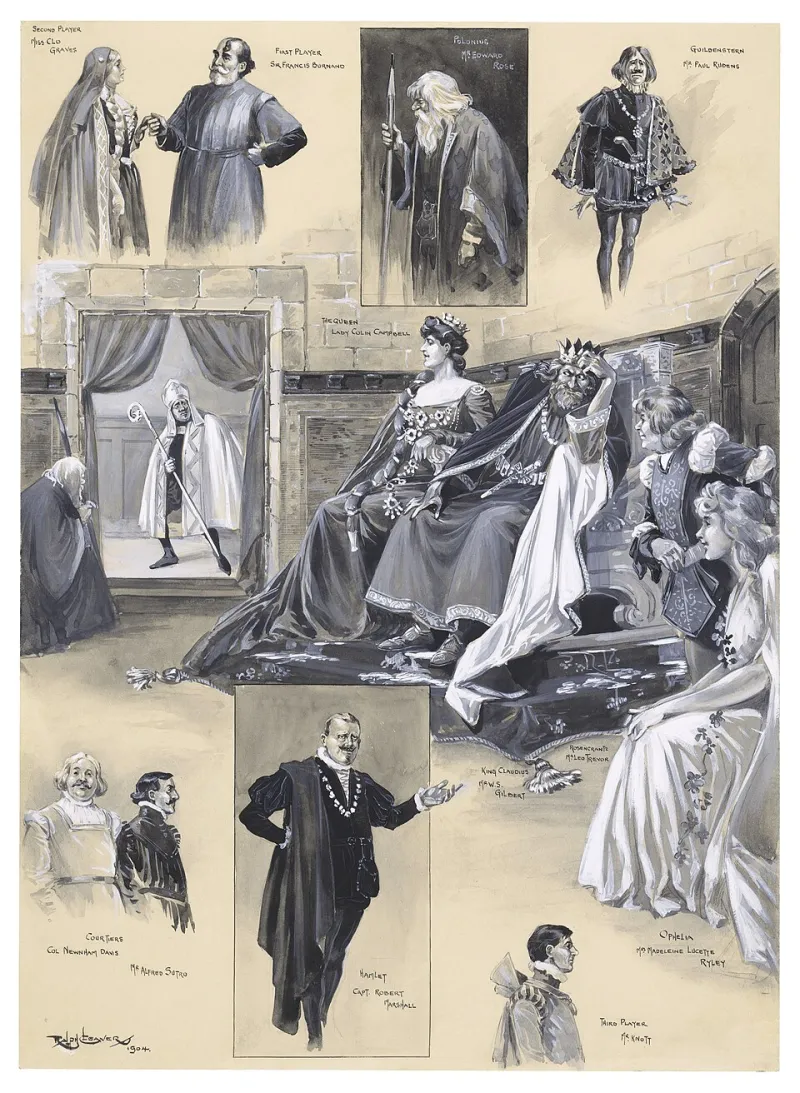
Photo: Ralph Cleaver / Adam Cuerden, Public domain, via Wikimedia Commons
There is a moment, about halfway through the second act, when the audience at the working men's club in Barnsley falls completely silent. On stage, a former Royal Engineer is delivering a monologue about the night his convoy was hit. It is fiction — mostly. Everyone in the room knows better than to ask where the character ends and the man begins.
This is theatre as it is rarely discussed: not as entertainment, nor as therapy in any formal sense, but as something in between. And across Britain, it is quietly flourishing.
The Rehearsal Room as Recovery Room
Forces-friendly drama companies have existed on the fringes of the amateur dramatic scene for years, but their numbers have grown markedly since the pandemic. The format is simple enough: groups founded by veterans and serving personnel, open to anyone with a connection to the military community, meeting weekly in church halls, scout huts and rooms above pubs.
What happens in those rooms is harder to describe. Stand-up comedy timing exercises become lessons in holding a room. Improvisation games force participants to trust strangers. Learning lines — a task that demands memory, discipline and patience with oneself — has proven, anecdotally at least, to be a lifeline for those grappling with the fog of trauma.
"You can't shout orders on stage," one company founder told us. "You have to listen. That took me two years to learn."
A Tour of Working Men's Clubs and Village Halls
We joined one such company — a troupe of eleven performers, nine of them veterans — midway through a tour that will take in working men's clubs, Royal British Legion branches and village halls from Wigan to Wells. Their production, a two-hander about a soldier's homecoming and his mother's failing health, is deliberately unstarry. The sets fit in a Transit van. The actors double as stage crew.
What the production lacks in polish it makes up for in something audiences plainly crave: authenticity. At each venue, the post-show conversation lasts longer than the performance itself. Spouses ask questions they say they have never dared ask at home. Civilians, many of whom have never met a veteran, leave with their assumptions rearranged.
"That's the point," the company's director explained over a thermos in the car park. "We're not performing at these audiences. We're performing with them."
Ticket Sales With a Second Life
Here is the detail that elevates these companies from worthy hobby to genuine charitable infrastructure: the money. Ticket sales, typically a few pounds a head, are channelled into peer support programmes run by the companies themselves — everything from signposting to specialist mental health services to funding transport for isolated members to attend rehearsals.
One company in the North East reports that its touring revenue has funded over 300 one-to-one peer support sessions in the past year. The economics are modest but the model is elegant: the act of recovery — rehearsing, performing, connecting — generates the funds that sustain it.
Festival Season and the Road Ahead
The timing could scarcely be better. This year's national veterans' arts festival season brings an unprecedented programme of theatre, music and visual art created by the armed forces community, offering these companies a platform far beyond the village hall circuit.
Organisers hope the exposure will attract the one thing grassroots drama groups chronically lack: sustainable funding. Others are wary. "We didn't start this to become a brand," one performer said. "We started it because Tuesday nights were the only nights I could get through."
Perhaps that is the most persuasive case of all. On stage, under whatever lights the venue can muster, medals stay at home and armour comes off. The audience sees a story. The performers, whether they fully realise it or not, are rebuilding something the rest of us can only applaud.