Whistles, Nets and Second Chances: The Veterans Holding Up Britain's Sunday League
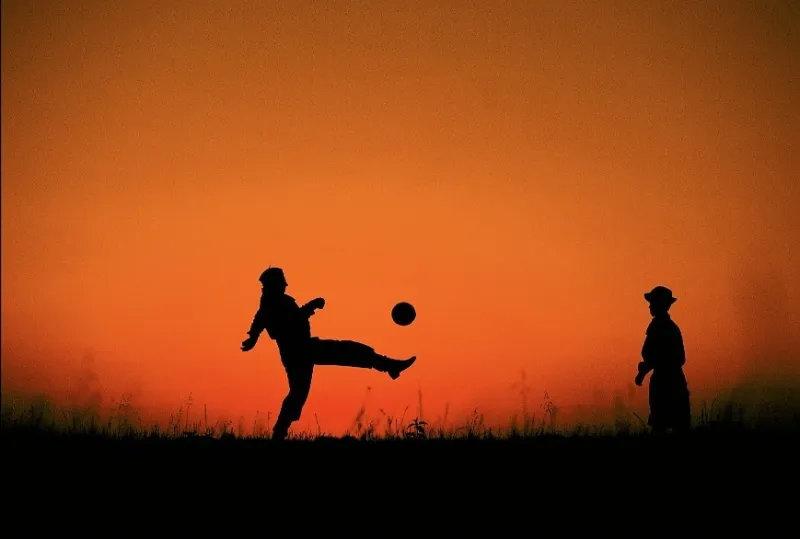
Photo: Antônio gaudério, CC BY-SA 4.0, via Wikimedia Commons
At half past eight on a biting Saturday morning in Rochdale, the touchline at Balderstone Recreation Ground already has a figure pacing it. Mick Halloran, forty-nine, twenty-two years in the Royal Engineers, is dragging a set of portable goals into position before the under-11s arrive. He does this every weekend, unpaid, in all weathers. So do thousands like him.
Grass-roots sport in Britain runs on goodwill. What is less widely known is how much of that goodwill now arrives with a service background. Veterans, often searching for structure and belonging after leaving the Forces, are filling coaching benches, maintaining pitches and steering club committees from Cornwall to Cumbria. Their discipline is dependable; their presence is quietly transformative.
The Structure That Sticks
For many who have served, civilian life can feel formless. A local club, with its fixed rituals and shared purpose, offers something recognisable.
"You get up, you've got somewhere to be, and people are relying on you," says Halloran. "That's not a small thing when you've left the Army. It's the nearest thing to a unit I've found."
Charities supporting veterans into volunteering report that sport is among the most popular destinations, precisely because it demands teamwork, punctuality and a steady hand — qualities drilled over years of service and sorely missed in their absence.
Three Clubs, Three Comebacks
Rochdale, Greater Manchester. Balderstone Juniors nearly folded in 2019 when its ageing committee stepped down. Four veterans, introduced through a local recovery programme, took over the running of the club within a season. Registration numbers have since doubled, and the club now fields three girls' teams.
Maidstone, Kent. At a rugby club in the Garden of England, former Army medic Sarah Pennington coaches the colts side while running pitch-side first aid for senior matches. "I spent years treating casualties," she says. "Now I spend Saturdays trying to stop them happening. It's a better job." Her sessions have a reputation for calm; parents credit her with coaxing a shy, anxious generation of teenagers out of their shells.
Pontypridd, Wales. A cricket club in the Rhondda lost its groundsman of thirty years and feared the square would deteriorate beyond use. A veteran who had trained as a plant operator in the Corps stepped in, rebuilding the covers, the roller shed and, members say, the club's confidence. It won its league for the first time in a decade last summer.
More Than a Match
The benefit flows both ways. Volunteers speak of purpose rediscovered, of friendships forged on cold touchlines, and of the particular satisfaction of watching a struggling fourteen-year-old — one who reminded them uncomfortably of themselves — find their feet.
Coaches report that veterans are often the first to notice when a young player is having a hard time at home. Years of reading people under pressure translate, it seems, into reading a quiet kid on a muddy pitch.
How to Help
Clubs across the country are crying out for help — with coaching, with kit, with the endless admin. If you have served, or simply want to support those who have, contact your local amateur club or a veterans' volunteering charity. An hour on a Saturday morning can keep a team alive.
As Halloran puts it, tightening the last strap on a goal frame: "We looked after each other in uniform. Turns out that doesn't stop."