After Dark, On Air: The Overnight Radio Clubs Keeping Isolated Veterans Company
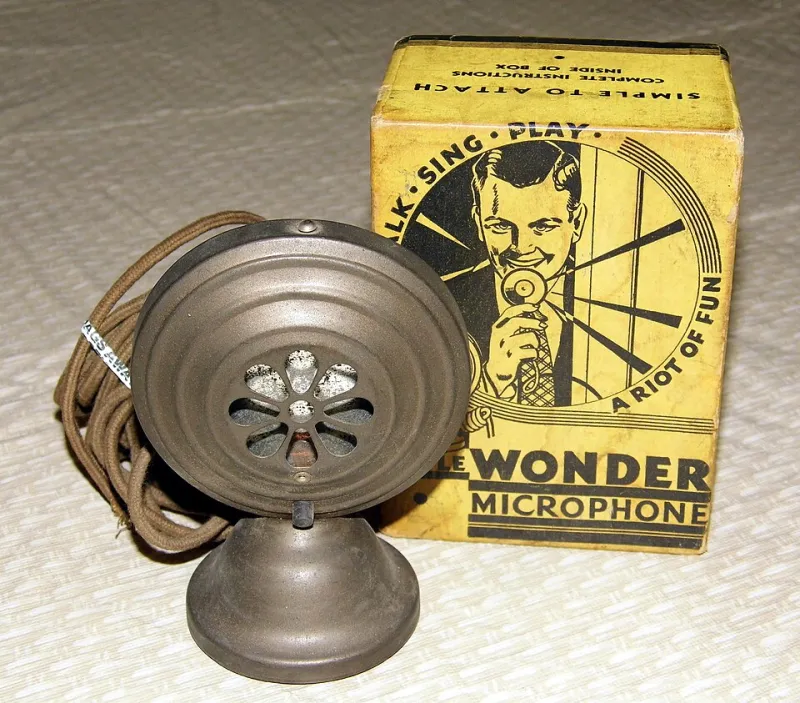
Photo: Joe Haupt from USA, CC BY-SA 2.0, via Wikimedia Commons
At half past eleven on a Tuesday night in Hull, a man in his sixties adjusts a microphone in a converted spare bedroom. He was a Royal Signals operator for twenty-two years. Tonight, as on every Tuesday, he is going live — not to a stadium or a barracks, but to a scattering of listeners across the UK, most of them fellow veterans, most of them awake for reasons they would rather not discuss.
His programme is part of a quietly expanding movement: late-night radio shows and online listening clubs run by and for former service personnel, designed to reach the people that daylight services too often miss.
The Loneliest Hours
Charity research has repeatedly identified the overnight period as the most dangerous time for isolated veterans. Loneliness does not keep office hours. The darkness amplifies what the day holds at bay — old memories, financial worries, the absence of routine that service once provided. For those who live alone, the hours between midnight and four can feel like the longest watch of all.
It is no coincidence that many of the people drawn to hosting these broadcasts describe the microphone as a kind of duty. One former RAF medic put it plainly: 'I used to be on shift through the night so others could sleep. Now I'm on air through the night so others don't have to be awake alone.'
The Hosts Behind the Microphone
The presenters are amateurs in the technical sense only. Many bring decades of operational calm to the desk — steady voices, unhurried pacing, an instinct for when to speak and when to let silence breathe. Playlists lean on big band, 1960s chart hits and Forces' favourites. Between records, hosts read out messages from the listening room: a merchant navy veteran in Plymouth, a widow in Perthshire, a young leaver in Catterick who cannot sleep.
Crucially, the format is two-way. Listener clubs attached to the broadcasts run chat channels and, for those without internet confidence, telephone lines. A quiet word with a host can become a referral to welfare support the following morning — a bridge from the small hours to the services that operate in them.
The Psychology of the 2am Call
Support workers describe a consistent pattern: people who will not ring a helpline at two in the morning will, quite happily, send a message to a radio show asking for a song. The request is the conversation. It asks for help without naming it, and it receives companionship without ceremony.
There is something in the medium itself. Radio — or its modern online equivalent — is intimate without being intrusive. A voice in the room, familiar night after night, builds a form of trust that a crisis intervention never can. By the time some listeners are ready to talk properly, the relationship already exists.
An Old Technology, A New Frontline
Critics might ask why, in an age of apps and streaming, anyone would turn to broadcasting. The answer lies precisely in its simplicity. No smartphone fluency required. No profiles, no feeds, no pressure to perform. Just a schedule, a voice, and the knowledge that somebody else is awake.
For the hosts, the benefit runs both ways. Several describe the weekly show as the anchor of their own recovery — a reason to keep a routine, a purpose after service, an audience that needs them. Recovery, it turns out, can sound like a record fading out at one in the morning and a voice saying, gently, 'Still with us? Good. There's more where that came from.'
If you or someone you know is struggling, forces welfare charities and veterans' mental health services offer confidential support day and night. And if you cannot sleep — well, somebody is probably on air.