Seven Remarkable Roads to Recovery: From Trenches in France to Rowing Boats on the Solent
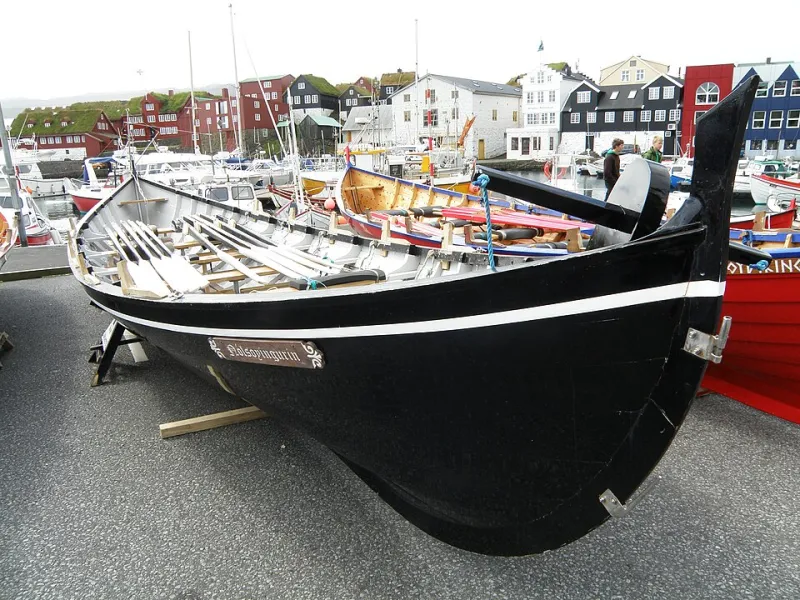
Photo: Eileen Sandá, CC BY-SA 3.0, via Wikimedia Commons
Ask any veteran what they miss most about service, and the answer is rarely the pay or even the people, exactly. It is the purpose — the certainty, each morning, of knowing why you got up. The programmes below understand that. None of them are clinical. All of them are changing lives.
1. Assistance Dogs That Understand the Unspoken
Several UK charities now pair veterans with post-traumatic stress disorder with specially trained assistance dogs. The dogs are taught to wake their handler from night terrors, create a physical buffer in crowded spaces and fetch medication. But ask the veterans and they describe something simpler: a reason to leave the house, and a companion who never needs the story explained. One former Royal Military Policeman told us his dog 'did in eight weeks what eight years of appointments couldn't'.
2. Digging Up History on the Somme
It sounds unlikely, but battlefield archaeology has become one of the most powerful recovery tools available to British veterans. Organisations run supervised excavation projects on the former battlefields of the Western Front, where participants — many with no prior interest in archaeology — uncover the personal effects of soldiers who fought a century before them. The work is meticulous, physically demanding and profoundly moving. Several veterans describe finding a rusted mess tin or identity disc as the moment their own troubles found proportion.
3. Coastal Rowing Clubs on the Solent
In Devon, Dorset and along the south coast, gig rowing clubs have opened their boats to veterans, and the results have been extraordinary. A wooden gig needs a crew of six pulling in perfect time — there is no room for ego and no way to hide. The rhythm, the salt air and the absolute necessity of trusting the person on the next seat have drawn men and women out of isolation. Clubs report veterans arriving broken and, a season later, coxing crews of their own.
4. Horticultural Therapy on Working Farms
Care farms across the Midlands and the West Country welcome veterans for everything from lambing season to market gardening. The appeal is partly sensory — the quiet of a field, the honesty of physical work — and partly structural: animals must be fed regardless of how the night went. One veteran with severe anxiety described his allotment plot at a Shropshire care farm as 'the first place in ten years where my hands stopped shaking'.
5. Woodland Craft and Green Woodwork
In the forests of Scotland and northern England, veterans are learning green woodworking — cleaving oak, shaping chair legs on a pole lathe, building shelters with hand tools. Instructors note that military skills transfer with surprising ease: the tool discipline, the patience, the satisfaction of a job done properly. Several programmes have seen graduates go on to run their own workshops, turning a therapy placement into a livelihood.
6. Sailing for Those Who Never Sailed
Tall-ship voyages crewed entirely by veterans — many of whom had never set foot on a deck — now run regularly from UK ports. A week at sea imposes its own quiet therapy: watch rotations, shared meals, weather that cannot be argued with. Veterans who served in Afghanistan describe the ship's routine as the first structure since leaving the forces that felt natural rather than imposed.
7. Running and Walking Together, However Slowly
Not every recovery programme needs kit or countryside. Veteran walking groups — some tracing historic routes such as Hadrian's Wall or the Thames Path in stages — have proliferated, and their formula is disarmingly simple: walk, talk, repeat. There are no chairs, no clipboards and no obligation to say anything at all. Mental health practitioners increasingly refer patients to them, noting that side-by-side conversation unlocks what face-to-face counselling often cannot.
Purpose, Not Pity
What unites these seven programmes is not the activity but the philosophy. Each treats the veteran as a person with capabilities, not merely needs. Each rebuilds the camaraderie that service once provided. And each offers, in its own way, the thing every veteran in recovery tells us they were searching for: a reason to get up in the morning.
At Help For Heros we believe recovery is not a destination but a journey — and, as these projects prove, it rarely follows the expected route. To support programmes like these, or to find one near you, visit our fundraising pages or get in touch. Standing beside those who stood for us sometimes means handing someone a dog lead, a trowel or an oar — and walking with them a while.