After the Last Post: The Veterans Turning Remembrance Into Conversation
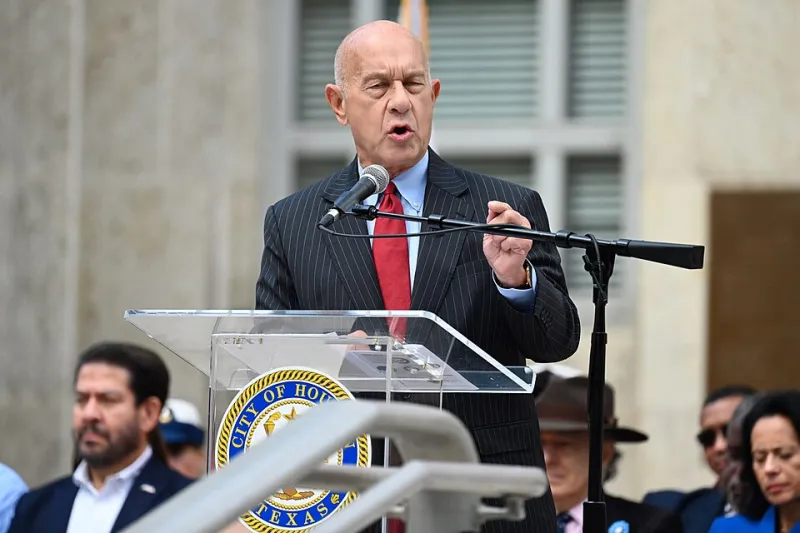
Photo: Ed Uthman, CC BY 2.0, via Wikimedia Commons
At eleven o'clock on the eleventh of November, Britain falls quiet. Shopkeepers step outside their doorways, schoolchildren rise from their desks, and for two minutes the country holds its breath in honour of those who never came home. It is one of the few rituals left that binds us together, and few would dare to question it.
Few — but not none.
The Minute That Ends Too Soon
In a village hall in Wiltshire, a group of veterans is rehearsing something unusual for the eleventh of November. When the Last Post fades and the two minutes lapse, they will not simply disperse. Instead, one of their number will stand and begin to speak — plainly, personally, about what came home with them from Helmand in 2009 and what it has cost in the years since.
They call it a talking silence, and its founders are careful to stress that nothing is being taken away. 'The silence is sacred. We'd never dilute it,' says Margaret Ellison, a former Royal Army Nursing Corps sergeant who helped devise the format. 'But silence, for men like my husband, was the problem. He stood in that silence for thirty years and never told a soul what he was carrying. We're asking for three more minutes. Three minutes of words.'
The idea is spreading, quietly, in the way veterans' initiatives often do — through regimental associations, through the British Legion branches, through word of mouth at the bar of the local.
Three Voices, Three Rooms
We spent time with three of the veterans preparing talking silences this November.
In a primary school in Rochdale, Darren Okafor, who served with the Royal Engineers, will stand before an assembly of nine- and ten-year-olds. His version is not about trauma — not for that audience. It is about what service means, and about the questions children rarely get the chance to ask. 'Kids want to know what you ate, whether you were frightened, whether you missed your mum. Answering honestly is its own kind of remembrance,' he says. 'It tells them soldiers were people.'
In a pub in Govan, Glasgow, former RAF airman Callum MacRitchie is organising something more bracing. After the silence, he and two comrades will take it in turns to speak about their own struggles — alcohol, divorce, the dark winter one of them nearly did not survive. 'In a pub, men listen differently,' MacRitchie says. 'They can't walk out of the room without their pint. And once one bloke says it out loud, the next one thinks: maybe I could say it too.'
And in a parish church in Kent, 78-year-old Barbara Hensley, a widow of the Falklands generation, will speak not of her own service but of the forty years her husband spent silent about the Belgrano. Her message is aimed at the families in the pews: ask the question, and keep asking it.
Could a Minute Save the Living?
The statistics give the movement its urgency. Charities working with veterans have long warned that isolation and unspoken mental ill health claim more ex-service lives than any single campaign ever did. The silence, critics within the community argue, can accidentally teach the wrong lesson: that the appropriate response to war is to say nothing.
Not everyone agrees, of course. Some veterans' organisations have declined to adopt the format, viewing any alteration to the two minutes as misjudged. 'Remembrance is for the dead, not for us,' one regimental secretary told us, politely but firmly. It is a fair objection, and the talking silence movement does not pretend otherwise. Their answer is simple: add, don't replace. Two minutes of silence, then three of speech — for the living, by the living.
A New Kind of Tribute
Whatever one makes of the format, the stories behind it are hard to dismiss. At Help For Heros, we have built our work on a simple conviction: that the best way to honour those who stood for us is to stand beside those who came home. If a few spoken minutes in a school hall, a pub snug or a village church can coax one veteran out of isolation — can turn a moment of national stillness into a national conversation — then perhaps that, too, is remembrance in its truest form.
The bugle will still sound. The silence will still hold. But this November, in a growing number of towns across Britain, when the silence ends, somebody will take a breath and begin to speak. The least the rest of us can do is listen.