A Season With the Hives: One Veteran's Year of Smoke, Silence and Slow Recovery
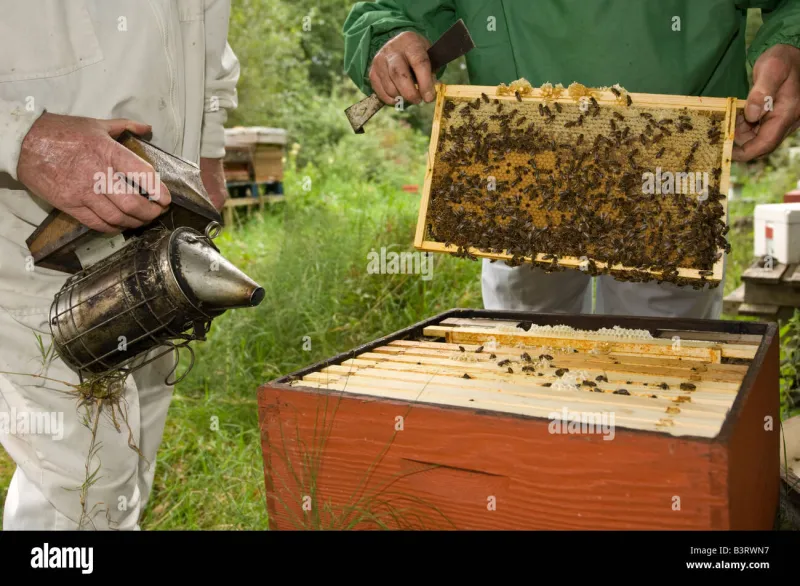
Photo: veteran beekeeper inspecting beehive UK countryside smoker, via c8.alamy.com
The First Smoke of Spring
By half past seven on an April morning, the Wiltshire downs are still holding the chill of the night. Michael Errington, 51, a former Royal Engineer who served in Bosnia and Northern Ireland, moves slowly between the hives with a lit smoker in one hand and no sense of urgency in his step. It is a deliberate slowness — the kind he says took him years to learn.
"In the Army, you're trained to be quick, decisive, always three moves ahead," he tells me, sending a few puffs of cool smoke across the hive entrance. "Bees don't work like that. You rush them, you lose them. You panic, you lose them. Somewhere along the way, they taught me to stop rushing."
Errington is one of a growing number of veterans across Britain who have taken up beekeeping, many through charitable schemes and veterans' apiaries run by community groups from Kent to Ayrshire. For those living with PTSD, anxiety and the invisible weight of service, the hive has proven an unlikely — but remarkably effective — place to heal.
Why Bees Ask for Stillness
The science behind it is only part of the story, but it is a compelling part. The repetitive, methodical nature of hive inspections; the requirement to control one's own breathing and movement; the necessity of being fully present — these are, in effect, the building blocks of mindfulness, delivered without a single mention of the word.
Dr Helen Marsh, an occupational therapist who has advised several veterans' apiary projects, explains: "For someone with hypervigilance, the world feels like a threat. But bees respond to calm. They give immediate, honest feedback. If you're agitated, they know. If you settle, they settle. That reciprocity is enormously powerful for people who've spent years feeling out of control of their own nervous system."
There is also the matter of purpose. A colony is a living commitment — roughly 50,000 bees that depend on their keeper through winter and reward them come summer. For veterans adjusting to civilian life, where the chain of command has vanished and the mission is no longer clear, that responsibility matters.
A Full Season, Followed
Errington agreed to let us follow his year with the bees, and the arc of the season mirrors, almost uncannily, the arc of his recovery.
Spring brings the first full inspections. Colonies are checked for the queen, for brood health, for stores of food. For a man who once dreaded leaving the house, the discipline of a weekly inspection — rain or shine, mood or no mood — became a scaffold. "It gave me a reason to get up on the days when getting up was the hardest part."
Summer is the rush of the main flow. Supers are added, frames are drawn out, and the apiary hums with an audible energy. It is also the season of the county show, where veterans' honey stalls raise both funds and, just as importantly, confidence. Errington now speaks to members of the public about the bees — a task he says would have been unthinkable three years ago.
Autumn arrives with the harvest. Frames are uncapped, spun, filtered and jarred. This year's crop — labelled simply 'Forces Honey' — is sold at village fetes, farm shops and online, with proceeds funding bursaries that cover kit, protective suits and starter colonies for other veterans wanting to begin.
"Every jar pays it forward," Errington says, holding one up to the light. "That's the bit that gets me. The bees are doing the work, and the honey is doing the giving."
From One Hive to a Movement
The bursary scheme, funded almost entirely by honey sales and small donations, has supported more than a dozen veterans in the past year alone. Each receives training through local beekeeping associations, a starter colony and a mentor — often another veteran further along the same road.
That peer-to-peer structure is no accident. Across the sector, from recovery charities to community apiaries, the evidence keeps pointing the same way: recovery sticks when it is shared. The hive-side conversations — conducted in low voices, eyes on the frames, hands busy — are frequently where the hardest things are finally said.
"You don't sit opposite someone and ask them to open up," Errington notes. "You stand side by side and look at the same thing. Somehow that makes it easier."
The Quiet Harvest
As the light fades over the downs and the last foragers return to their hives, Errington reflects on the season just closing. The winter will be a quieter time — hefting hives, treating for varroa, feeding where needed — and a harder one, as darker months often are. But the colony will endure, as it always does, and so, he says, will he.
"I spent years thinking recovery meant getting back to who I was before," he says. "It doesn't. It means becoming someone who can live well with what happened. The bees didn't fix me. But they showed me how to be still long enough to fix myself."
For those wishing to support the bursary scheme, jars of Forces Honey and further information are available through the veterans' apiary network, with every pound raised helping another former serviceman or woman find their own calm — one colony at a time.