Quiet Corridors, Steady Hands: The Ex-Servicemen and Women Holding Vigil on NHS Night Shifts
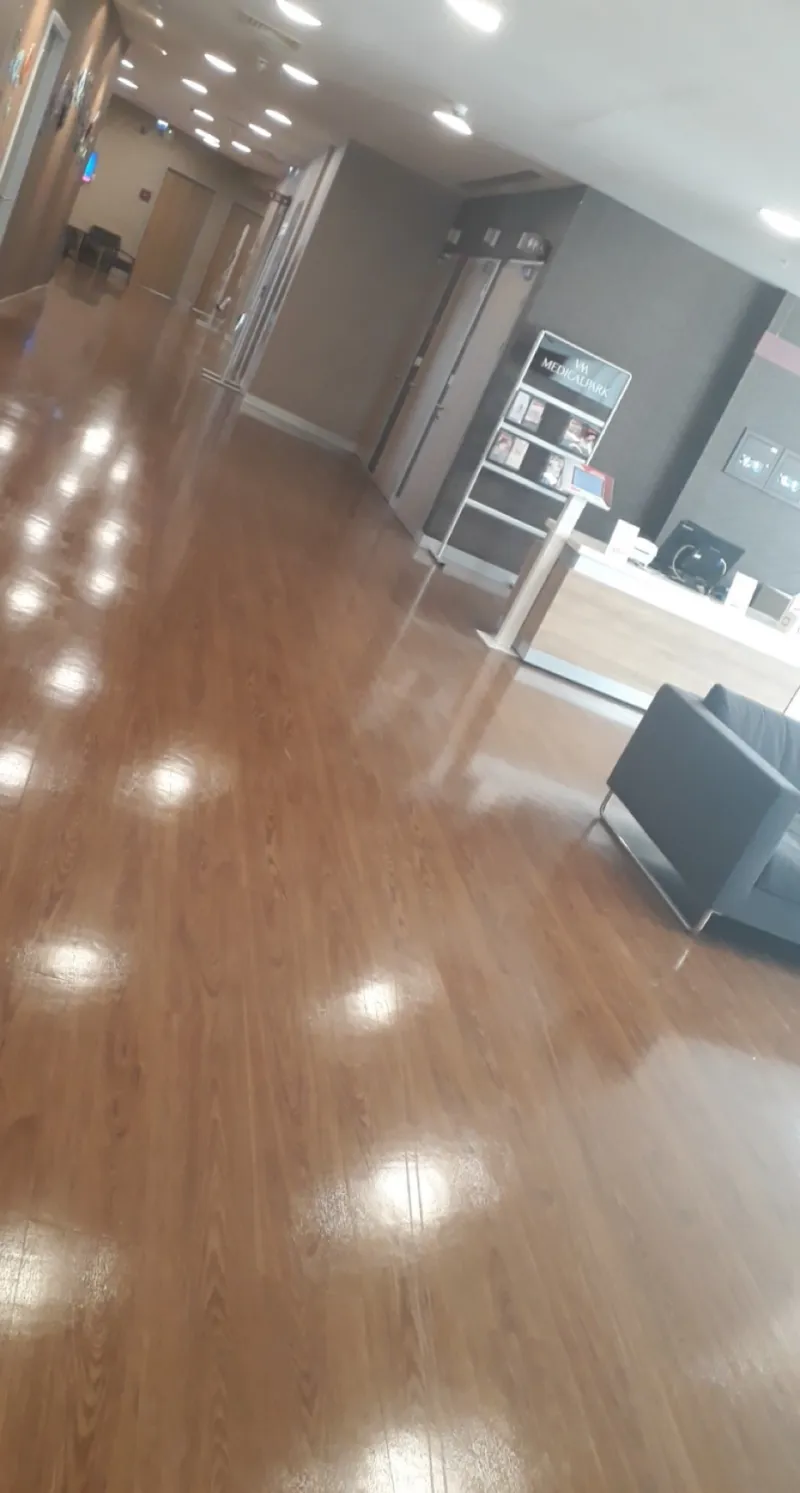
Photo: Eyluleyel, CC BY-SA 4.0, via Wikimedia Commons
At half past ten on a Tuesday night, most of Britain is winding down. At University Hospital Coventry, Margaret Osei — twenty-two years in the Royal Army Medical Corps — is just clocking in. Her post: a volunteer trolley-push, a kind word for a frightened family, a flask of tea for a junior doctor who has not sat down since six. Her shift lasts two hours. She has not missed a week in eighteen months.
Margaret is one of a quiet but steadily growing cohort: ex-service personnel volunteering overnight and weekend shifts in NHS hospitals across the United Kingdom. They arrive without ceremony, wear the same lanyards as every other volunteer, and carry with them something the NHS has found increasingly precious — composure when composure is in short supply.
Why the Military Mindset Fits the Ward
Hospital trusts that have recruited veterans as night volunteers describe a strikingly consistent picture. Where a civilian volunteer might hesitate at the sight of an agitated patient or a distressed relative, those with service backgrounds tend to move towards the difficulty, not away from it.
"It is not bravery, particularly," says one volunteer coordinator at a trust in the North West. "It is familiarity. Our night volunteers who served have stood watches in worse places than a well-lit corridor in Salford. They read a room. They know when to speak and when to simply be present."
There is structure, too. Veterans are accustomed to shift patterns, handovers and clear chains of communication — the very rhythms of hospital life. A former RAF engineer now volunteering in the patient transport service at Derriford Hospital in Plymouth describes the work in terms any serviceman or woman would recognise: "You're given a job, you do it properly, you hand it over cleanly. Everything else follows."
From Two Hours to a Second Calling
For Margaret Osei, the beginning was modest — almost apologetic. Recovering from a period of poor mental health after leaving the Army, she answered a poster in her GP surgery asking for weekend volunteers. She offered two hours a fortnight, insisting she could promise nothing more.
Those two hours became two a week. Then, last spring, she helped establish a family liaison rota on the trauma ward, sitting with relatives through the long gap between an ambulance arriving and any news arriving with it. "In the Forces we had a phrase — no one waits alone," she says. "That is all I do, really. I make sure no one waits alone."
Her story is not unusual among this cohort. What begins as a gentle re-entry into purposeful life — often recommended by a regimental association, a veterans' mental health charity or a GP — frequently deepens. The routine provides shape; the gratitude of strangers provides something harder to name. Several volunteers interviewed for this piece described the work as the first role since service in which they felt genuinely needed at a specific hour, in a specific place.
What the Volunteers Actually Do
The roles are unglamorous and, precisely for that reason, invaluable:
- Patient transport: escorting elderly or anxious patients from A&E to wards during the hours when portering teams are reduced.
- Family liaison support: meeting relatives arriving late at night, guiding them to the right ward, making phone calls on their behalf.
- Comfort rounds: checking on patients who have no visitors, refilling water jugs, adjusting pillows, flagging concerns to nursing staff.
- Ward admin: the unending paperwork of admissions, filed and photocopied while night nurses remain at the bedside.
Nurse managers report that the presence of a calm volunteer — someone whose job is specifically to notice — catches small problems before they become large ones.
Setting Up a Scheme at Your Local Hospital
For readers inspired to bring this model to their own area, the route is straightforward, though it rewards persistence:
- Contact the trust's volunteering office. Every NHS trust has one; ask specifically about out-of-hours and weekend roles, which are chronically under-subscribed.
- Approach as a group. A handful of veterans applying together, ideally through a regimental association or local Armed Forces covenant group, gives the volunteering office a ready-made rota rather than a single name.
- Offer reliability, not heroics. Trusts consistently say their greatest need is for people who will turn up weekly. Two predictable hours beat four unpredictable ones.
- Complete the standard checks. DBS checks and induction training apply to all volunteers; veterans' familiarity with vetting processes tends to make this painless.
- Ask for a named coordinator. Schemes that pair new volunteers with an experienced one survive; schemes that leave people to drift do not.
Standing Beside Those Who Still Stand Watch
There is a fitting symmetry in all of this. The men and women now walking hospital corridors at midnight once walked perimeters and engine rooms through the same small hours, keeping watch so that others could sleep. The setting has changed; the instinct has not.
For the NHS, they represent a resource of calm, discipline and quiet kindness arriving exactly when it is scarcest. For the veterans themselves, many of whom will tell you they took far more from the volunteering than they gave, the night shift has become something between a duty and a homecoming.
Margaret Osei puts it more simply. "I did twenty-two years looking after soldiers," she says, pulling on her coat at the end of another Tuesday shift. "Now I look after whoever's in the corridor. Same job. Better lighting."
If you are a veteran considering volunteering, or a hospital staff member hoping to build a scheme like Coventry's, write to us. We would be glad to help make the introduction.