Pennies From the Promenade: The Seaside Traditions Still Funding Britain's Forces Families
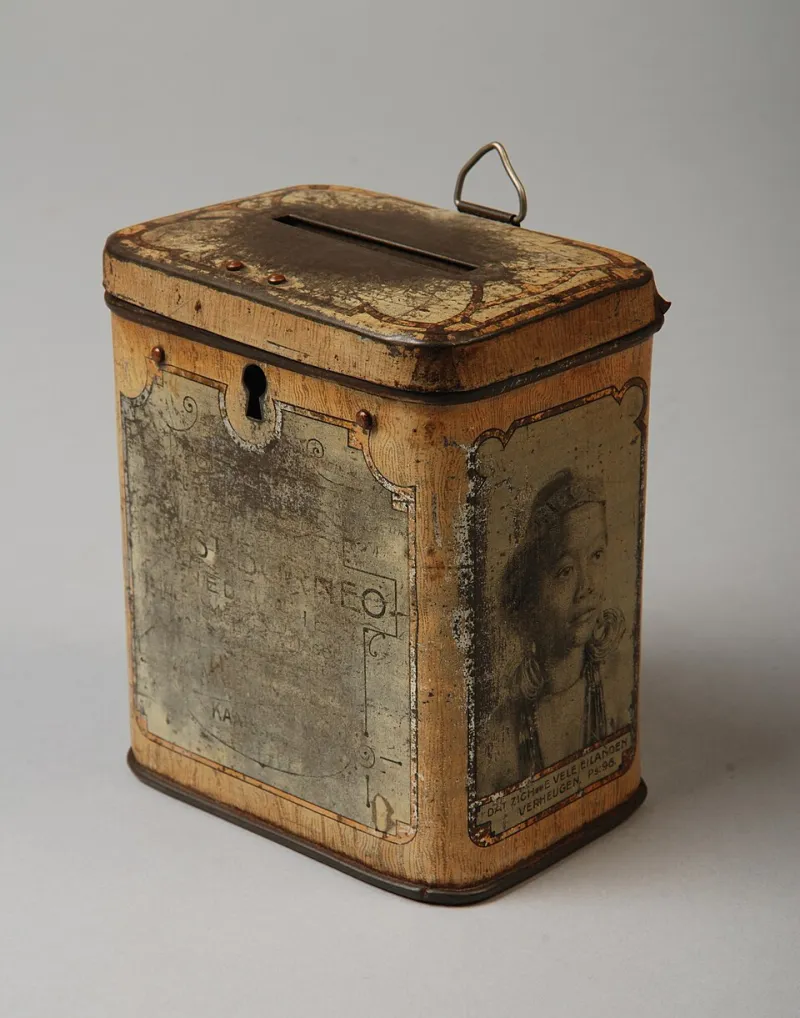
Photo: fabrikant verpakking: N.V. Dordrechtsche Metaalwarenfabriek v/h Wed. J. Bekkers & Zoon, CC BY-SA 3.0, via Wikimedia Commons
On a bright Saturday in Whitstable, a brass band strikes up beneath the memorial bandstand as a retired warrant officer shakes a collection tin with the practised rhythm of forty years. By teatime, the tin holds just over £180. It is not a headline sum. Multiplied across dozens of resorts, over dozens of weekends, it becomes something rather more significant.
Britain's seaside towns have always held a particular affection for the Armed Forces. Perhaps it is the garrisons that once summered along the coast, or the wartime memories embedded in seafront promenades and pillboxes. Whatever the root, the tradition endures — and it deserves far more attention than it receives.
The Widow Who Never Misses a Bank Holiday
In Skegness, visitors know Mrs Edna Whitlock simply as "the lady on the pier". Her late husband, a D-Day veteran, collected for forces charities on the same spot for three decades. Since his death, Edna has taken up the post herself, rain or shine, every bank holiday weekend.
"He'd say the seaside brought out people's better nature," she tells us, adjusting a jar of loose change. "Families on holiday, ice creams in hand — they've got a shilling of kindness to spare."
Her takings fund practical support: respite breaks for serving families, household grants for veterans in hardship, and contributions to rehabilitation programmes. The sums are modest individually; collectively, they change lives.
A Tour of the Coast's Quiet Givers
Travel the coastline and the patterns repeat with charming local variation. In Blackpool, a veteran-run funfair has donated a share of every ride ticket to service charities for over fifteen years. In Cromer, the lifeboat crew and veterans' association share a joint collection each August. In Southend, a charity shop staffed entirely by ex-service volunteers funds a yearly respite holiday for military families who might otherwise never see the sea.
In Weymouth, the tradition stretches back furthest of all: a memorial bandstand concert series, running since the 1920s, which this summer passed a remarkable fundraising milestone. Local organisers credit a simple formula — good music, sea air, and a bucket that never refuses a coin.
Post-Pandemic Pressures
Yet the picture is not uniformly bright. The pandemic emptied these seafronts of the crowds upon which collection tins depend, and recovery has been uneven. Rising costs have squeezed household giving. Cash — the lifeblood of pier-head fundraising — is increasingly absent from holidaymakers' pockets, forcing collectors to improvise with QR codes and contactless devices that feel incongruous against a backdrop of candyfloss and deckchairs.
An ageing volunteer base compounds the challenge. Many long-standing collectors are veterans themselves, now in their eighties, and succession is far from guaranteed.
Why It Still Matters
Some might dismiss these traditions as relics. That would be a mistake — both financially and culturally. Coastal collections channel support towards families in serving communities, many of them posted far from major cities and the larger charity infrastructure. Just as importantly, they keep the connection between the public and its Armed Forces visible, human and local.
There are practical ways to help. If you holiday on the coast this summer, give to the tin — or better, give digitally where a device is offered. If you live in a seaside town, consider lending a weekend to a local collection. Businesses along the promenade can sponsor collection days or match funds raised.
The Tide Comes In
Back on the pier at Skegness, Edna Whitlock packs away her folding chair as the light softens over the North Sea. The tin is heavier than yesterday. Somewhere down the promenade, a child asks her father what the collection is for.
"For the soldiers, love," comes the answer — and a coin drops in.
The Great British seaside has weathered many changes. With a little support, its quiet tradition of standing beside those who stood for us will weather many more.