Tea Towels and Tenacity: The Quiet Triumph of Britain's Garden-Gate Fundraisers
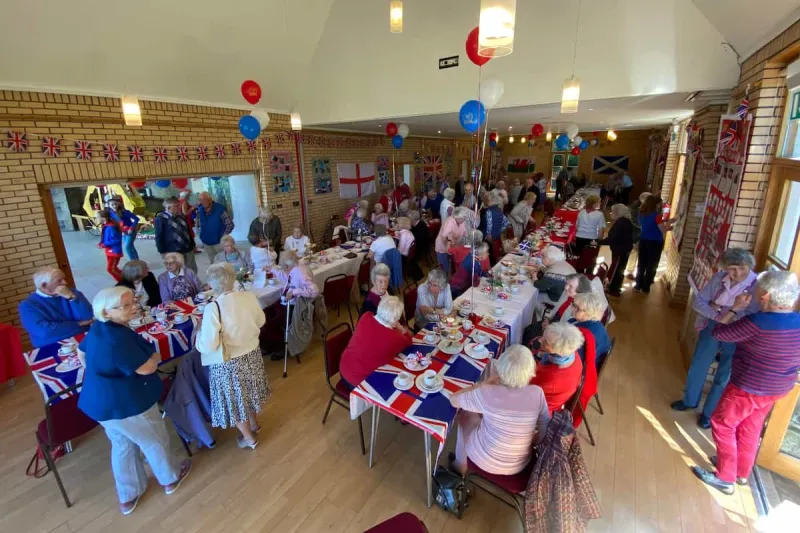
Photo: elderly man charity stall table village fete tea towels British, via sustainablekillearn.org
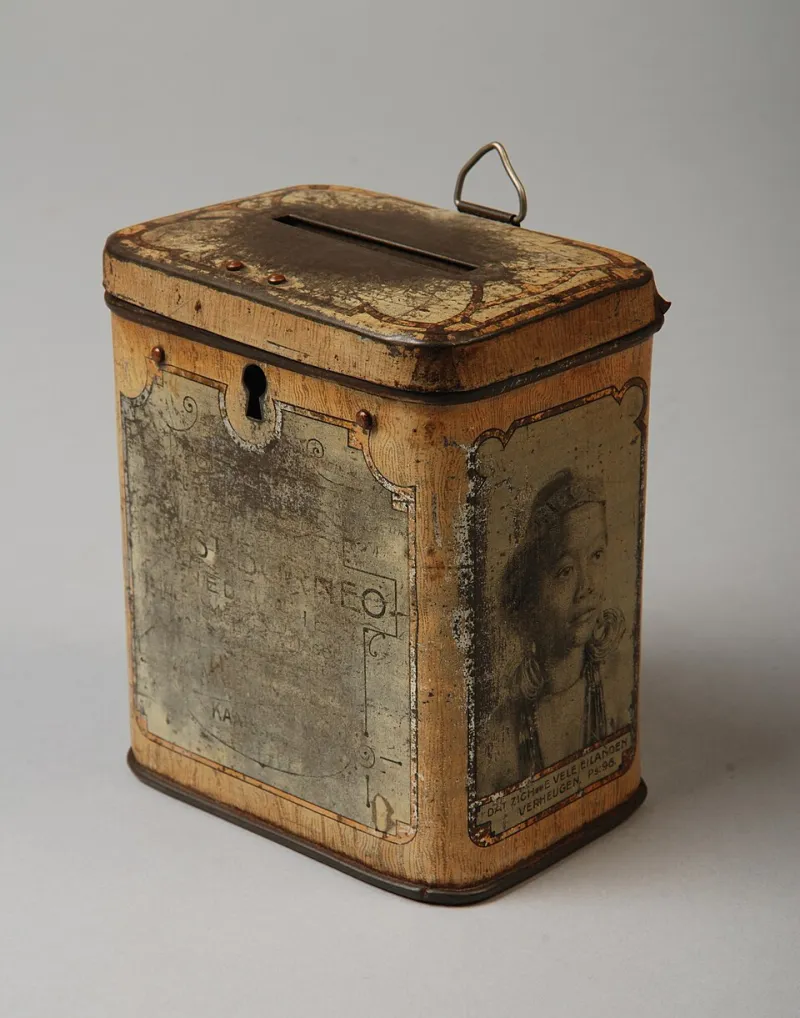
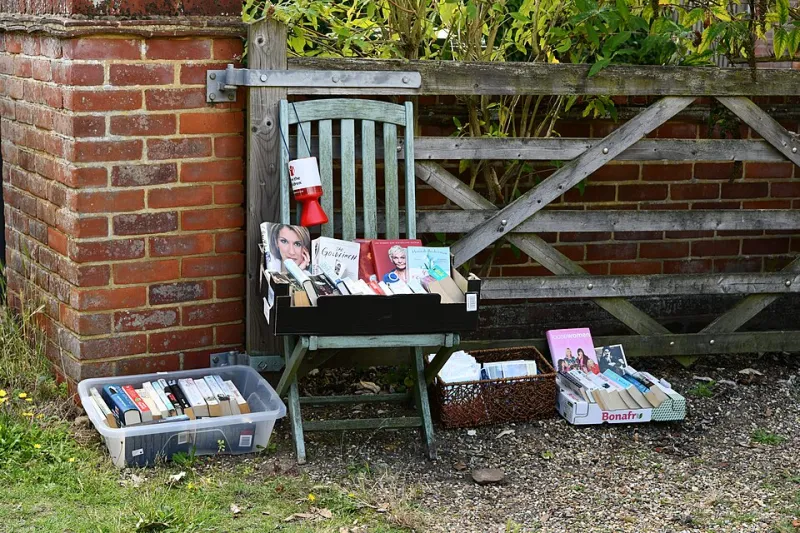
On a drizzly Saturday morning in a Shropshire village, a folding table stands at the end of a gravel drive. On it: a stack of tea towels printed with poppies, a tin that no longer rattles because it is too full to rattle, and a hand-painted sign reading 'All proceeds to our veterans.' The man behind the table is eighty-one years old. He has been doing this, in one form or another, for thirty-four years.
His name is not important to him. The total is. Last year, his tea towels and jam jars raised just over £2,300. Multiply that by the thousands of similar stalls across the country, and you begin to understand something fundamental about British charitable giving.
The Economics of the Modest Stall
Large appeals command headlines, and rightly so. But the annual accounts of Britain's forces charities tell a quieter story: a steady, dependable river of small donations flowing from car boot sales, church fêtes, garden gates and pub collection tins. Individually, these sums seem negligible. Collectively, they form a foundation that no single corporate donation can replicate.
There is a reason for this resilience. The grand donation, however generous, is a transaction. The garden-gate stall is a relationship. The retired Royal Engineer selling marmalade in aid of veterans' mental health services is not merely raising money — he is keeping a conversation about the forces community alive in a village that might otherwise never have one.
Portraits from the Trestle Table
Travel the length of the country and the pattern repeats with heartening variety. In Kent, a former Wren runs a monthly stall outside her bungalow, selling knitted poppies so popular that orders arrive from as far as Australia. In the Scottish Borders, two brothers — one Army, one Royal Navy — host an annual car boot sale that has become a fixture of the local calendar, drawing buyers from three counties.
What unites them is not sentimentality but purpose. Ask any of them why they do it, and the answer rarely mentions their own service. It mentions the mate who struggled, the family down the road whose son is on his fourth deployment, the rehabilitation centre that needs a new hydrotherapy pool. Small-scale fundraising is, in this sense, an act of continued service — the uniform may be folded away, but the commitment is not.
Why Small Still Matters
Charity analysts sometimes describe micro-fundraising as inefficient: high effort per pound raised, dependent on ageing volunteers, vulnerable to bad weather and bad knees. All true. But efficiency was never the point.
The village stall performs functions no digital campaign can. It puts a human face on need. It recruits new supporters — the child who buys a tea towel today is the regular donor of twenty years hence. And it embeds the welfare of service personnel and veterans into the civic fabric of communities that might otherwise feel the forces are somebody else's concern.
A Tradition Worth Protecting
If there is a worry, it is generational. The average age of the stall-holder is climbing, and the trestle table has few successors waiting. The challenge for the sector is not to replace these fundraisers but to learn from them — to bring the same personal, neighbourly spirit to street collections, school events and community pages online.
For now, though, the garden gates remain open. The tea towels keep selling. And on drizzly Saturdays across Britain, the smallest stalls in the country continue to do some of its most important work.
If you are inspired to host a stall, collection or fête in aid of veterans and their families, register your event with a recognised forces charity and ensure collections comply with local fundraising regulations. Standing beside those who stood for us begins, very often, with a folding table and a full tin.