From Furrow to Food Parcel: The Veteran Allotments Feeding Britain's Forces Families
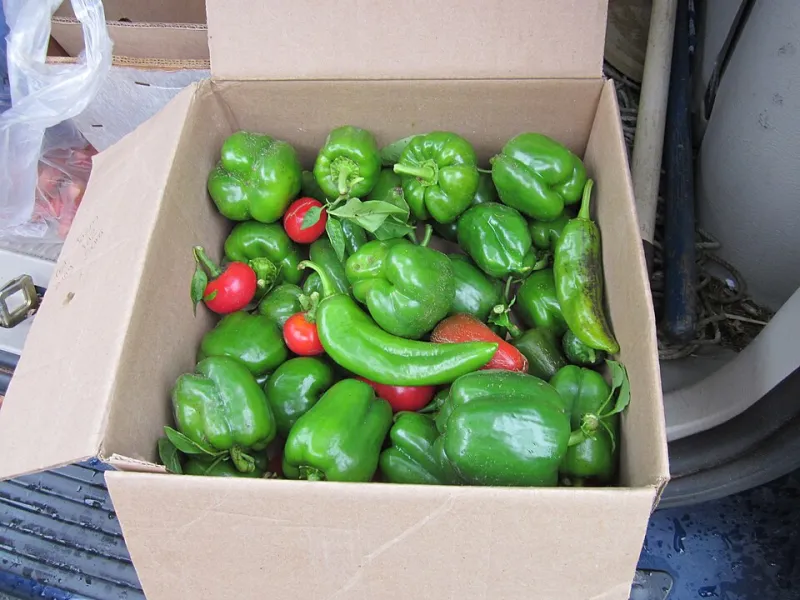
Photo: U. S. Fish and Wildlife Service - Northeast Region, Public domain, via Wikimedia Commons
On a chill February morning, the fog has yet to lift from a disused patch of land on the edge of a former RAF station in North Yorkshire. Yet beneath the netting and cold frames, something quietly remarkable is taking shape: rows of winter kale, leeks and late-sown broad beans, all destined not for kitchen tables, but for food bank shelves hundreds of miles from this field.
This is one of a growing network of charity allotments cultivated by veterans — and it is changing how support reaches serving families who are quietly going without.
A Harvest With a Purpose
The scheme is disarmingly simple. Land that lies dormant — old station plots, surplus church ground, council strips reclaimed from neglect — is handed to groups of former personnel. They grow vegetables in quantity, and local forces charities collect the produce weekly, folding it into food parcels distributed through forces welfare offices and regimental associations.
What distinguishes these parcels is their provenance. Every bag of potatoes carries with it the story of the hands that grew it: hands that may have served in Helmand, in the Gulf, on NATO deployments now largely forgotten by the public.
The Yorkshire Plot: Where It Begins
Our journey follows a single bag of carrots. It begins here, on the converted RAF plot, where Derek — a former RAF Regiment gunner who prefers not to give his surname — pulls the last of the autumn crop from soil he has spent three years restoring.
"You get out of bed for this," he says, brushing earth from a carrot the length of his forearm. "When I left, there were mornings I couldn't see the point of a morning. Now there's always a job. There's always someone waiting on what you grow."
The carrots are washed in a repurposed mess-hall sink, bunched with twine, and packed alongside onions and parsnips grown a few beds over. By mid-afternoon they are in the back of a volunteer's estate car.
The Journey South
The produce travels first to a regional distribution hub run by a forces welfare charity, where it is weighed, logged and combined with dried goods and tins donated by supermarkets and the public. Food poverty among serving families remains a subject many find uncomfortable to discuss; welfare officers report that demand for parcels has risen steadily, particularly among junior ranks based in high-cost areas.
From the hub, our bag of carrots is allocated to a families' support centre near Portsmouth — a city with deep naval roots and, like many garrison towns, a hidden strain on household budgets.
Portsmouth: Where the Parcel Lands
At the centre, a young mother collects her parcel with her two children in tow. She is married to a serving rating; between a recent deployment and a housing waitlist, the family's finances frayed faster than anyone expected.
"It's the fresh stuff that matters," she says. "You can budget for pasta. You can't budget for carrots your kids will actually eat."
She is told, briefly, where the vegetables came from. She pauses. "Tell them thank you. Properly."
Growing More Than Vegetables
Back on the Yorkshire plot, the broader arithmetic is easy to miss and important to state. The allotments provide structured routine, outdoor work and — above all — comradeship for veterans who too often report isolation after service. Several plots run formal recovery programmes alongside the growing, partnering with rehabilitation charities to offer horticultural therapy and a reason to leave the house.
The land, in other words, gives twice: once to those who tend it, and again to those who eat from it.
How You Can Help
The network runs on donations of land, tools, seeds and money. A £10 contribution can stock a polytunnel with seed potatoes for a season; offers of surplus allotment space are always welcome. To support the growing effort — or to refer a family in need of a food parcel — visit the campaigns section of our site, where every pound is traced from donor to soil to shelf.
Standing beside those who stood for us sometimes means getting our hands dirty. Here, quite literally, it does.